

Our Process
Discover how our specialized evaluation service works to provide objective feedback for churches across Western Pennsylvania.
Guest Experience Audit
See Your Church Through the Eyes of Someone Who Has Never Been There
Your church may be welcoming. Your people may be friendly. Your leadership may be doing everything it can to help newcomers feel at home. But what does someone experience when they walk through your doors for the very first time?
For church leaders, the answer can be surprisingly difficult to see clearly.
You know where to park. You know which entrance to use. You know where the children’s check-in desk is located, what to expect during the service, and who to talk to if you have questions. You understand the language, routines, and culture of your congregation.
A first-time guest knows none of these things.
They may be wondering whether they are in the right place, whether their children will be safe, whether they should stand or sit, whether visitors are expected to introduce themselves, or what they are supposed to do after the service ends.
These questions may seem small. Collectively, however, they shape a person’s experience of your church.
The First-Time Guest Experience Evaluation helps your church identify these overlooked barriers, understand the experience of a genuinely new visitor, and discover practical ways to make visiting, participating, and connecting easier.
We evaluate the experience from the outside in—from the first online search to the possibility of a meaningful next step—and provide a clear, prioritized plan for improvement.
This isn’t about catching volunteers making mistakes or assigning blame to the people who serve your church faithfully.
It’s about seeing what familiarity makes difficult to see, understanding where your systems create unnecessary friction, and giving your leadership team actionable insight to make a good church easier to experience.
Your church doesn’t need to be perfect. It needs to be understandable, accessible, and prepared to welcome people who don’t already know how everything works.
Why First-Time Guest Experiences Deserve Attention
Your church sees itself from the inside. Your guests experience it from the outside.
Most churches care deeply about welcoming new people. They invest in preaching, worship, children’s ministry, community outreach, and the development of their congregations.
Yet the experience of a first-time visitor often depends on a collection of practical details that no single person is responsible for overseeing.
The website may be managed by one volunteer. Parking and signage may fall under another person’s responsibilities. Children’s check-in may operate independently of the welcome team. Follow-up may depend on a staff member remembering to send an email.
Each component may function reasonably well on its own. But what happens when someone experiences all of them in sequence?
The result may be a church that is genuinely welcoming in its intentions but unintentionally confusing in its execution.
A visitor might struggle to find accurate service information online, arrive at the wrong entrance, hesitate to ask where to take their children, sit through a service without understanding when to participate, and leave without knowing how to get connected.
None of these experiences necessarily indicates a major organizational failure. But together, they can make a visit more stressful than it needs to be.
The challenge is that established members rarely experience these difficulties themselves.
They have already learned the building, the people, the terminology, and the routines. What feels obvious to them may be completely unfamiliar to someone arriving for the first time.
This is one reason an outside perspective can be so valuable.
Good intentions don’t automatically create a good experience
A friendly congregation and a well-designed guest experience are related, but they are not identical.
A church can have warm people and confusing signage. It can have excellent children’s ministry and an unnecessarily complicated check-in process. It can preach a compelling message while leaving visitors uncertain about what to do next.
These are not necessarily problems of character, commitment, or theology. Often, they are problems of perspective and process.
The solution isn’t to demand more enthusiasm from volunteers or add another program to an already crowded calendar.
It’s to identify the specific points where a newcomer encounters unnecessary uncertainty, then determine which improvements will make the greatest difference.
That’s the purpose of the First-Time Guest Experience Audit.
Small obstacles can have an outsized effect
Consider a few ordinary questions a first-time guest might ask:
- Is this the correct entrance, or should I go around the building?
- Where should I park, and is there a place for visitors?
- What happens when I bring my children?
- Will someone ask me to stand, introduce myself, or speak publicly?
- Is there a particular way I’m expected to dress?
- How long is the service?
- Where can I find information about the church’s beliefs and ministries?
- If I want to return, meet someone, or get involved, what should I do?
Some visitors will ask these questions. Others will quietly work around the confusion. Still others may decide that returning isn’t worth the effort.
We cannot assume that every visitor who doesn’t return was lost because of a poor experience. People make decisions for many reasons, and a single evaluation cannot establish why an individual chooses to attend or leave.
What we can do is identify avoidable obstacles and help your church remove them.
The goal is not to manufacture growth. It is to remove unnecessary friction from the experience of discovering and visiting your church.
What Is the First-Time Guest Experience Audit?
The First-Time Guest Experience Audit is a structured evaluation of your church’s newcomer experience, conducted from the perspective of someone who does not already know your congregation, building, or routines.
It examines the practical journey a prospective guest takes as they discover your church, prepare for a visit, arrive, participate in the service, and consider what comes next.
The evaluation combines direct observation, online research, documented findings, and practical analysis to give church leadership a clearer picture of what a newcomer actually experiences.
Rather than relying exclusively on internal assumptions or informal feedback, the audit creates a consistent framework for identifying strengths, friction points, and opportunities for improvement.
What makes this different from an internal review?
An internal review asks people who already understand the church whether the guest experience works.
An outside evaluation asks what happens when someone encounters the church without that knowledge.
That difference matters.
A member may know that the side entrance is the best place to enter. A newcomer may see three doors and have no idea which one to choose.
A staff member may understand how to register a child. A visiting parent may find the process confusing or discover that important instructions are difficult to locate.
A pastor may know exactly how someone can join a small group. A visitor may hear several announcements without learning the simplest way to take that step.
An outside evaluator can reveal these gaps because they experience the process without the benefit of institutional familiarity.
The result is not an attempt to replace the wisdom of your staff, volunteers, or congregation. It is an additional source of information that helps those people make better decisions.
An evaluation, not a popularity contest
The audit is designed to distinguish between observable facts and personal impressions.
For example:
Observation: The church website lists two service times, but the children’s ministry page does not explain whether children’s programming is available at both services.
Interpretation: A parent visiting for the first time may be uncertain which service to attend.
Recommendation: Clearly state children’s ministry availability alongside each service time and explain how families can check in.
This distinction is important. It keeps the report grounded in evidence, avoids unfair conclusions about individual people, and turns observations into useful action.
We don’t evaluate whether your church fits someone’s personal preferences in music, preaching style, or worship expression. We evaluate whether the experience is understandable, navigable, and consistent with the information your church provides.
What We Evaluate
The audit follows the newcomer journey from initial discovery through the opportunity to connect afterward.
1. Online Discoverability and First Impressions
Before someone visits your church, they often search online, examine your website, look at maps, or browse social media.
These early interactions influence whether a prospective visitor has enough confidence and information to take the next step.
We examine questions such as:
- Can someone readily find the church when searching for congregations in the area?
- Is the church’s name, location, and basic contact information consistent across its online presence?
- Are current service times easy to find?
- Does the website clearly communicate the church’s identity, beliefs, and general approach?
- Can a newcomer determine whether the church is appropriate for their household?
- Is there a clear way to ask questions before visiting?
- Does the online experience communicate what a first-time guest should expect?
We look for outdated information, unnecessary complexity, missing details, and opportunities to help prospective guests make informed decisions.
The goal is not to turn every church into a marketing machine. It is to make sure people who are genuinely interested can find the information they need to visit with confidence.
2. Website Clarity and Visit Preparation
Finding a church is one thing. Knowing what to expect when you arrive is another.
A visitor may want to know how long the service lasts, what people typically wear, whether children stay with their parents, whether childcare is available, or whether they need to register before attending.
These questions are ordinary, but they can feel significant to someone entering an unfamiliar environment.
We assess whether practical visitor information is easy to locate, written in understandable language, and sufficient to prepare someone for their first visit.
We also consider whether important details are buried in menus, scattered across multiple pages, or expressed in terminology that makes sense to members but not to outsiders.
Recommendations may include clarifying navigation, consolidating information, improving calls to action, or creating a straightforward first-time visitor page.
3. Arrival, Parking, Signage, and Navigation
The guest experience becomes physical when someone arrives at the property.
At this point, even a small amount of uncertainty can become uncomfortable. A visitor may wonder where to park, which door to use, whether a particular area is reserved, or whether they are entering a staff-only space.
We evaluate the arrival process from the perspective of someone unfamiliar with the property.
This may include:
- Parking availability and visitor guidance.
- Visibility of entrances from parking areas.
- Exterior signs and directional information.
- Clarity of the main entrance.
- Interior wayfinding.
- Accessibility information and obvious physical barriers.
- The ease of finding the sanctuary, restrooms, children’s areas, and other relevant spaces.
We document where navigation feels straightforward and where a newcomer must guess, backtrack, or ask for directions.
The objective is not to eliminate every need for human assistance. Friendly guidance is valuable. The objective is to ensure that basic navigation does not become an unnecessary obstacle.
4. Greeting, Hospitality, and Human Interaction
Churches are communities of people, not buildings or websites. Human interactions are therefore an important part of the newcomer experience.
We consider whether guests can find assistance when they need it, whether people appear approachable, and whether the process of receiving help feels natural.
We may observe:
- Whether a guest is acknowledged when appropriate.
- Whether someone is available to answer practical questions.
- Whether directions are clear and accurate.
- Whether the welcome process feels warm without becoming overwhelming.
- Whether visitors can participate without feeling pressured to disclose personal information.
- Whether volunteers have the information and resources needed to help newcomers.
We do not expect every member to identify every visitor, and we do not treat a single interaction as proof of the congregation’s overall culture.
Instead, we look for patterns in the experience and distinguish between an isolated event and a potentially systemic issue.
The purpose is to help churches equip their people to welcome guests naturally and confidently—not to turn hospitality into a scripted performance.
5. Understanding and Participating in the Service
A first-time visitor enters a setting with its own rhythms, expectations, vocabulary, and traditions.
For regular attendees, these elements may feel natural. For someone unfamiliar with the church, they may create uncertainty.
We consider whether a newcomer can reasonably understand what is happening and how to participate, without suggesting that every church should conduct worship in the same way.
Depending on the congregation, we may examine:
- Whether the service begins and progresses in an understandable way.
- Whether visitors receive useful orientation.
- Whether announcements and next steps are communicated clearly.
- Whether unfamiliar terminology is explained when necessary.
- Whether guests can understand when participation is expected or optional.
- Whether the service communicates the church’s identity and purpose.
- Whether visitors are given a reasonable opportunity to learn more.
The audit does not grade the church’s theology, worship preferences, or preaching according to a universal style.
It examines the experience of encountering those things without prior familiarity.
6. Children’s Ministry and Family Experience
For families with children, the guest experience often involves additional questions and responsibilities.
Parents may need to locate children’s check-in, understand security procedures, learn where children go during the service, and determine what happens if a child needs their parent.
A confusing process can add stress to an otherwise promising visit.
Where children’s ministry is offered and the evaluation scope permits, we examine the clarity of published information, arrival instructions, check-in guidance, signage, and communication with parents.
We consider whether the process is understandable and whether families can find the information they need before arriving.
Any hands-on evaluation of children’s check-in or access to restricted areas must be agreed upon in advance with church leadership. We do not bypass security procedures, misrepresent credentials, or compromise children’s privacy to complete an audit.
The objective is to identify practical improvements while respecting the importance of safeguarding children and protecting families.
7. Visitor Information and Opportunities to Connect
A guest may enjoy the service and still leave without knowing how to learn more about the church.
Perhaps they want to meet a pastor, ask a question, explore a ministry, attend a newcomer gathering, or simply return the following week.
We examine how clearly these opportunities are communicated and how easy they are to access.
Questions include:
- Is there an understandable next step for someone interested in learning more?
- Are connection opportunities visible without requiring a visitor to navigate a complicated process?
- Can guests ask questions privately if they prefer?
- Is the process for attending an event, joining a group, or contacting staff clear?
- Are visitors given meaningful choices rather than being directed into a single pathway?
Not every visitor is ready to join a ministry or complete a connection card. Some simply want to attend again.
A good guest experience respects those differences and provides appropriate options without creating unnecessary pressure.
8. Follow-Up After the Visit
The experience may continue after a guest leaves the building.
A church may offer a connection card, an online form, an email address, or another way for visitors to request information. The question is whether the process is clear and whether the church follows through when someone voluntarily asks to be contacted.
Where the scope includes follow-up testing, the evaluator may provide contact information and a specific, reasonable request with the church’s prior authorization for the evaluation process.
We may document whether a response arrives, how long it takes, whether it answers the question, and whether the communication feels personal and appropriate.
We distinguish between a process that has not been tested and one that has been tested without a response. We also avoid treating a single test as proof of the church’s usual performance.
Follow-up findings can reveal opportunities to improve ownership, response times, communication templates, and the handoff between visitor-facing teams and church staff.
The goal is not to encourage aggressive outreach. It is to help churches communicate reliably and respectfully with people who have asked to hear from them.
9. The Overall Guest Journey
Finally, we examine how the individual parts fit together.
A church may have an excellent website, friendly volunteers, and a strong children’s ministry, yet still create confusion when visitors move from one stage to the next.
The overall evaluation considers whether the experience forms a coherent journey.
Can a newcomer move from online research to arrival, from arrival to participation, and from participation to a possible next step without repeatedly encountering avoidable uncertainty?
We identify the most consequential breakdowns, consider their likely causes, and prioritize opportunities for improvement.
This final stage turns a collection of observations into a strategic picture of the newcomer experience.
How the First-Time Guest Experience Audit Works
We have designed the process to be structured enough to produce consistent results while remaining practical for busy church leadership teams.
Step 1: Initial Conversation and Scope
Every engagement begins with a conversation about your church, your goals, and the questions you want the evaluation to help answer.
We establish the scope of the audit, including the online research, service visit, family-related considerations, and any follow-up testing that may be appropriate.
We also identify relevant circumstances that could affect the evaluation, such as multiple campuses, different service formats, seasonal schedules, or existing newcomer initiatives.
This conversation helps ensure the evaluation is relevant to your church rather than simply applying a generic checklist without context.
We clarify expectations, permissions, confidentiality, and any activities that require advance authorization.
Step 2: Online Research and Preparation
Before attending a service, the evaluator examines the information a prospective guest can access publicly.
This includes the church website, service information, relevant online listings, visitor resources, and other channels that a newcomer might reasonably use.
The evaluator documents the information available, notes inconsistencies or unanswered questions, and develops a picture of what a prospective visitor would reasonably expect before arriving.
This stage matters because the physical experience often begins with assumptions formed online.
Step 3: The Guest Experience Evaluation
A trained evaluator visits the church within the agreed scope and observes the newcomer journey.
The evaluation is guided by a standardized framework so that observations are systematic rather than dependent entirely on memory or personal impressions.
The evaluator documents relevant details, including points of confusion, helpful interactions, unclear processes, and moments when a guest may need additional information or assistance.
Observations focus on systems and experiences rather than assigning blame to individual congregants.
The evaluator does not secretly record conversations, photograph identifiable people without appropriate permission, or circumvent security or access procedures.
Any activities requiring special access, a specific identity, or participation in a restricted process are conducted only with appropriate authorization.
Step 4: Findings Review and Analysis
After the evaluation, the findings are organized into the major areas of the guest journey.
We separate direct observations from interpretations, assess the significance of each finding, and identify recurring themes or dependencies.
For example, a confusing entrance may appear to be a signage problem. A deeper review might reveal that the website directs visitors to a different entrance, creating a mismatch between online expectations and the physical experience.
This analysis helps distinguish isolated inconveniences from underlying process problems.
We then identify the improvements most likely to make the experience clearer, more welcoming, and easier to navigate.
Step 5: Your Personalized Audit Report
You receive a written report documenting the evaluation and its findings.
The report is designed for practical use by pastors, executive leaders, ministry directors, and the people responsible for implementing improvements.
It identifies what is working well, what creates unnecessary friction, which issues deserve attention first, and what your church can do about them.
Rather than presenting an overwhelming list of minor imperfections, the report emphasizes the findings that matter most.
Step 6: Leadership Debrief and Recommendations
We review the findings with your leadership team, explain the reasoning behind the priorities, and discuss how the recommendations relate to your church’s existing goals and resources.
This conversation allows leaders to ask questions, provide context, and distinguish between changes that can be implemented immediately and those requiring broader discussion.
The objective is to leave leadership with a clear understanding of the findings and a practical starting point for improvement.
Where appropriate, the debrief can also identify opportunities for further work, such as guest follow-up improvements, volunteer training, or broader organizational consulting.
Any additional engagement is optional and should be justified by a clearly identified need.
What You Receive
The audit is intended to deliver more than an opinion about whether your church seems welcoming.
It produces a practical set of findings and recommendations that leadership can use to make informed decisions.
1. Executive Summary
A concise overview of the evaluation, highlighting the most important strengths, the most consequential friction points, and the recommended priorities.
This gives leadership a clear understanding of the overall picture before diving into individual observations.
2. Guest Journey Findings
A structured review of the major stages of the newcomer experience, from online discovery through the opportunity to connect after a visit.
Each section identifies relevant observations, explains why they may matter, and outlines practical opportunities for improvement.
3. Standardized Evaluation Scorecard
A consistent framework for reviewing key dimensions of the guest experience.
The scorecard is designed to support comparison across evaluation areas and help leaders identify where attention may be most valuable.
Scores are accompanied by supporting observations rather than presented as definitive measurements of a church’s hospitality, spiritual health, or effectiveness.
4. Prioritized Recommendations
A practical list of recommended improvements, organized according to their importance, likely impact, and relative implementation effort.
Where possible, recommendations distinguish between immediate adjustments, medium-term improvements, and changes that may require additional planning or resources.
5. Strengths Worth Preserving
A useful evaluation should identify what is working, not merely what needs to change.
The report documents positive elements of the guest experience that should be preserved and, where appropriate, incorporated into future improvements.
6. Suggested Next Steps
The report concludes with a practical starting plan so that findings do not simply become another document sitting in an inbox.
Recommendations may include clarifying website information, improving signage, simplifying a visitor process, assigning responsibility for follow-up, or reviewing how newcomers learn about connection opportunities.
7. Leadership Debrief
A scheduled conversation to review the findings, answer questions, discuss priorities, and help leadership determine what to do next.
The debrief is an important part of the service because recommendations are most useful when leaders understand both the evidence behind them and the reasoning behind their prioritization.
How We Prioritize What Matters
Not every finding deserves equal attention.
A typo on a secondary webpage and an unclear entrance may both be legitimate observations, but they are unlikely to have the same practical importance.
The audit uses a prioritization framework to help leadership focus on improvements that matter most.
Priority 1: Address First
Issues that create substantial confusion, prevent access to important information, introduce avoidable safety or safeguarding concerns, or significantly obstruct the guest journey.
These findings deserve prompt attention, with any genuine safety or safeguarding concern handled through the church’s appropriate procedures.
Priority 2: Improve Soon
Issues that create recurring friction, make participation more difficult, or leave guests uncertain about important next steps.
These may include unclear visitor information, inconsistent instructions, or a connection process that is harder to navigate than necessary.
Priority 3: Improve When Practical
Smaller refinements that could improve clarity, consistency, or convenience but are less consequential than higher-priority issues.
These may include minor wording changes, secondary website improvements, or additional explanatory signage.
The report also considers implementation effort. A high-impact change that takes an hour may be a better first move than an expensive project that requires months of planning.
The goal is not to fix everything at once. It is to identify the right things to fix first.
What the Audit Is—and What It Is Not
We believe the value of an evaluation depends partly on being clear about its limits.
It is an outside perspective on the newcomer experience.
The audit documents what an evaluator can reasonably observe and experience without the familiarity of an established member.
It helps reveal blind spots that internal teams may overlook.
It is a practical improvement tool.
The objective is to provide findings that can be translated into specific changes, with a clear rationale for prioritization.
It is not a judgment of your church’s spiritual health.
The audit does not measure the presence of God, the faithfulness of your congregation, the quality of discipleship, or the spiritual maturity of your members.
Those questions cannot be reduced to a visitor-experience scorecard.
It is not a guarantee of church growth.
A clearer guest experience may remove obstacles to visiting and connecting, but growth depends on many factors beyond the scope of this service.
We do not promise that a particular change will increase attendance, improve retention, or produce a specific number of new members.
It is not a referendum on individual volunteers.
One interaction does not define a person, a ministry, or an entire congregation.
Findings are framed around observable experiences and processes, with the goal of helping people succeed rather than identifying someone to blame.
It is not a substitute for broader leadership or organizational consulting.
The audit may reveal questions about communication, ownership, accountability, or organizational processes. Those findings can inform further work, but a guest-experience evaluation is not a comprehensive diagnosis of every aspect of church leadership.
We begin with the problem the service is designed to address, then expand only when the evidence and the church’s needs justify doing so.
Who Benefits Most From a First-Time Guest Experience Audit?
The audit can be useful for congregations of different sizes and traditions, but it is particularly valuable when church leadership has both a reason to improve the newcomer experience and the ability to act on the findings.
Growing Churches
A growing congregation may find that informal hospitality practices no longer work as well as they once did.
As attendance increases, the building becomes busier, ministry responsibilities become more specialized, and the number of people involved in welcoming newcomers expands.
An evaluation can help identify where existing processes need to become clearer or more consistent.
Churches in a Season of Renewal
Some congregations are working to reconnect with their surrounding communities, refresh their public presence, or make it easier for new people to explore the church.
An outside evaluation provides a practical starting point by identifying the experience a newcomer encounters today.
Churches Investing in Outreach
Churches that invest in community events, local outreach, advertising, or online visibility may benefit from examining what happens after someone expresses interest.
If the church is successfully attracting attention, the next question is whether its systems make it easy for interested people to take the next step.
Churches With Multiple Ministries or Campuses
Complexity can make consistency difficult.
Different services, entrances, ministries, and teams may create different experiences for newcomers.
An audit can help leaders identify where information and processes are inconsistent and where a clearer shared approach would be useful.
Churches That Want an Honest Outside Perspective
Sometimes leadership simply wants to know what it may be missing.
An audit provides a structured way to examine assumptions, identify blind spots, and discuss improvement opportunities using specific observations rather than speculation.
When might the audit not be the right first step?
If a church is facing an immediate pastoral crisis, serious safeguarding concerns, or a major leadership conflict, a guest-experience evaluation may not address the most urgent need.
Similarly, if leadership has no intention of reviewing or acting on the findings, the report is unlikely to create much value.
The best results occur when leaders are curious, willing to learn, and prepared to make practical improvements where warranted.
A Thoughtful, Respectful Approach
Churches are communities, not retail outlets. We believe the evaluation process should respect that distinction.
The purpose of examining the guest experience is not to treat visitors as transactions or reduce ministry to a set of performance metrics.
It is to recognize that people encounter a church through real places, real interactions, and real processes—and that unnecessary confusion can stand between a person and a meaningful opportunity to participate.
Our approach is guided by several principles.
Respect for your congregation. We focus on systems, communication, and observable experiences rather than publicly criticizing individuals.
Evidence before conclusions. We distinguish what happened from what we think it may mean and avoid making sweeping claims based on limited observations.
Confidentiality by default. Findings are prepared for the client and are not used in public marketing or case studies without explicit permission.
Appropriate boundaries. We respect privacy, safeguarding requirements, security procedures, and the limits of the agreed evaluation.
Practical improvement over criticism. Every significant finding should help answer a useful question: What could the church do differently, and why might that help?
Honesty about limitations. A single visit offers a valuable perspective, but it cannot establish every aspect of the church’s culture or the experience of every visitor. Where further evidence is needed, we say so.
We want church leaders to feel that the audit gives them a fair, useful, and thoughtful perspective—one they can discuss openly with their teams.
From Evaluation to Improvement
The audit is designed to stand on its own as a valuable service. Some churches will use the report to make improvements internally. Others may want additional help translating the findings into action.
We offer a natural progression for churches that need more support.
Stage 1: Understand the Guest Experience
The First-Time Guest Experience Audit identifies what a newcomer encounters and highlights the most important opportunities for improvement.
The immediate goal is clarity: understanding where the experience works well, where friction occurs, and which changes deserve attention.
Stage 2: Build a Practical Improvement Plan
For churches that want help moving from findings to implementation, the next step is to develop a focused improvement plan.
This may involve assigning ownership, establishing priorities, clarifying processes, and creating a manageable sequence of changes.
The emphasis is on making progress without unnecessarily expanding the church’s workload.
Stage 3: Improve Connection and Follow-Up
Some churches discover that their most important opportunities lie beyond the Sunday service.
They may need clearer pathways for newcomers, more reliable communication, better coordination between teams, or a simpler process for helping interested people find their next step.
Where those needs are identified, we can help evaluate and improve the relevant processes.
Stage 4: Equip Staff and Volunteers
A church may benefit from helping its teams understand the newcomer experience and develop practical skills for making it more welcoming.
Potential work includes workshops, volunteer guidance, communication standards, and simple procedures that support consistent hospitality without making interactions feel scripted.
Stage 5: Address Broader Organizational Challenges
Sometimes a focused evaluation reveals a deeper problem.
A church may struggle with unclear ownership, competing priorities, fragmented communication, or processes that depend too heavily on a few individuals.
These challenges can affect more than the guest experience.
Where appropriate, the conversation can expand into broader organizational diagnosis and strategic advisory work. The scope of that work should be defined by the church’s needs, the evidence available, and the capabilities required to address them.
We do not assume that every church needs a long-term consulting relationship.
Our aim is to help leaders identify the right problem, understand their options, and decide what level of support—if any—would be useful.
Frequently Asked Questions
How long does the evaluation take?
The timeline depends on the scope of the engagement, the complexity of the church’s facilities and ministries, and whether follow-up testing is included.
The process typically involves an initial conversation, online research, a service visit, analysis, report preparation, and a leadership debrief. The precise schedule and delivery date will be established before work begins.
Will the evaluator pretend to be someone they are not?
The evaluation is designed to capture a newcomer perspective without relying on deception or violating the church’s boundaries.
Routine observation may take place during an ordinary visit, but any activity requiring special access, a fabricated identity, or participation in restricted processes must be authorized in advance. The agreed approach will be clear before the evaluation begins.
Will our church receive a numerical score?
The report includes a standardized evaluation scorecard to help leaders identify relative strengths and areas for improvement.
Scores are supported by observations and interpreted in context. They are not a universal ranking of churches or a measurement of spiritual health.
We place more emphasis on understanding the findings and choosing appropriate improvements than on achieving a particular number.
Will the report criticize our volunteers?
No. The focus is on the guest experience and the processes that shape it.
If a particular interaction creates confusion, the report describes the relevant observation and its potential implications without unnecessarily identifying or judging the person involved.
The purpose is to help your team succeed, not to create embarrassment or defensiveness.
Can you evaluate children’s ministry?
Yes, where children’s ministry is part of the agreed scope and the relevant procedures can be evaluated appropriately.
The evaluation may include published information, check-in instructions, wayfinding, and the clarity of communication with parents.
Any activity involving restricted access or direct interaction with children’s security procedures requires advance authorization. We will never bypass safeguards to obtain a finding.
Do you contact our church after the visit?
Follow-up testing is included only when agreed as part of the engagement.
Where it is included, the evaluator may voluntarily provide contact information and request information through an approved channel. The report documents the specific test performed and its outcome without assuming that one result represents every interaction.
Is the evaluation confidential?
Yes. The report and client-specific findings are confidential by default and are intended for the church’s leadership and other authorized recipients.
We will not publish identifying findings, photographs, or case studies about your church without explicit permission.
What if our church has multiple campuses or services?
The scope can be tailored to the church’s structure.
For a multi-campus church, leadership may choose to evaluate one representative location initially or arrange a broader engagement. Different service formats may also require separate consideration.
The proposal will clarify exactly which locations, services, and evaluation areas are included.
What happens if we disagree with a finding?
The report distinguishes direct observations from interpretations and recommendations.
If you provide additional context, we can discuss whether it changes the interpretation or the recommended response. The purpose is to reach a more accurate understanding of the experience, not to defend an initial conclusion at all costs.
Some findings may reflect circumstances specific to one visit. Those limitations should be considered openly.
Do we need to implement every recommendation?
No. The report is intended to support leadership judgment, not replace it.
Some recommendations may be straightforward, while others may require additional resources or conflict with legitimate ministry priorities. Leadership can decide which improvements make sense for its congregation and circumstances.
Will this help our church grow?
The audit may identify barriers that make it harder for people to discover, visit, participate in, and connect with your church.
Addressing those barriers can improve the guest experience, but the evaluation cannot guarantee increased attendance, retention, or membership. Those outcomes depend on many factors.
We focus on what can be observed, understood, and improved within the scope of the service.
What does the audit cost?
Pricing depends on the agreed scope, including the number of locations, evaluation areas, follow-up testing, and reporting requirements.
We will explain the scope and fee before work begins so that you can make an informed decision.
The objective is to provide a useful, professional evaluation with clear deliverables—not to sell an open-ended consulting engagement before you know what your church needs.
What if the evaluation reveals larger organizational problems?
The report may identify questions that extend beyond the guest experience, such as unclear responsibility, inconsistent communication, or processes that depend on individual memory.
Where those issues are relevant, we can discuss whether additional analysis or implementation support would be useful.
Any broader engagement is optional and should be based on a specific need rather than an assumption that every audit must lead to more consulting.
A Better Guest Experience Begins With Seeing Clearly
Your church may already do many things well.
Your people may be generous with their time. Your ministries may serve families faithfully. Your leadership may have invested years in building a healthy congregation and reaching the surrounding community.
But no organization can easily see every part of itself from the outside.
The First-Time Guest Experience Audit provides a structured way to examine the journey of someone who is encountering your church for the first time.
It helps reveal the questions they may hesitate to ask, the information they may struggle to find, the processes that may create confusion, and the opportunities your team may be overlooking.
Most importantly, it translates those observations into a practical plan.
You don’t need another vague reminder to be welcoming. You need to understand what a newcomer actually experiences and where a thoughtful improvement could make a meaningful difference.
Give your leadership team the perspective it needs to make your church easier to discover, visit, and connect with.
Request a First-Time Guest Experience Audit
Start with a conversation about your church, your goals, and the questions you would like answered.
We’ll discuss the scope of the evaluation, explain the process, and help you determine whether an audit is the right next step.
No pressure to commit to a larger consulting engagement. No promise of instant growth. Just a practical opportunity to see your church through a different set of eyes.
Call to action: Request an Audit
Secondary call to action: Schedule an Introductory Conversation
About This Work
The First-Time Guest Experience Audit brings together an interest in Christian ministry, systems thinking, organizational problem-solving, and practical improvement.
The approach begins with a simple premise: leaders make better decisions when they can see their organization clearly.
A church’s newcomer experience is shaped by more than the friendliness of its members. It also depends on information, physical spaces, communication, expectations, and the processes that connect one interaction to the next.
By examining those elements systematically, we aim to help church leaders identify overlooked obstacles and make informed decisions about what to improve.
Our work is intended to complement the knowledge, pastoral judgment, and ministry experience already present within each congregation.
We bring an outside perspective and a structured process. Your leadership brings the context, relationships, theological convictions, and understanding of your community that are essential to deciding what should happen next.
Together, those perspectives can help turn overlooked friction points into opportunities for meaningful improvement.


Phase One: Service Visit
Our team attends your Sunday service discreetly to observe the true first-time visitor journey.

Phase Two: Comprehensive Report
We deliver objective, actionable feedback as a vital part of your church health diagnostic process.

Actionable Ministry Growth
Use our insights to improve assimilation and create a welcoming environment for every guest.
Our Process
Discover how our specialized evaluation service works to provide objective feedback for churches across Western Pennsylvania.
Phase One: Service Visit
Our team attends your Sunday service discreetly to observe the true first-time visitor journey.
Phase Two: Comprehensive Report
We deliver objective, actionable feedback as a vital part of your church health diagnostic process.
Actionable Ministry Growth
Use our insights to improve assimilation and create a welcoming environment for every guest.
Elevate Your Sunday Morning Guest Experience
Our specialized church evaluation service across Western Pennsylvania provides an objective, comprehensive report and actionable feedback. We attend your service in Latrobe and surrounding towns to help strengthen your core church health diagnostic process.
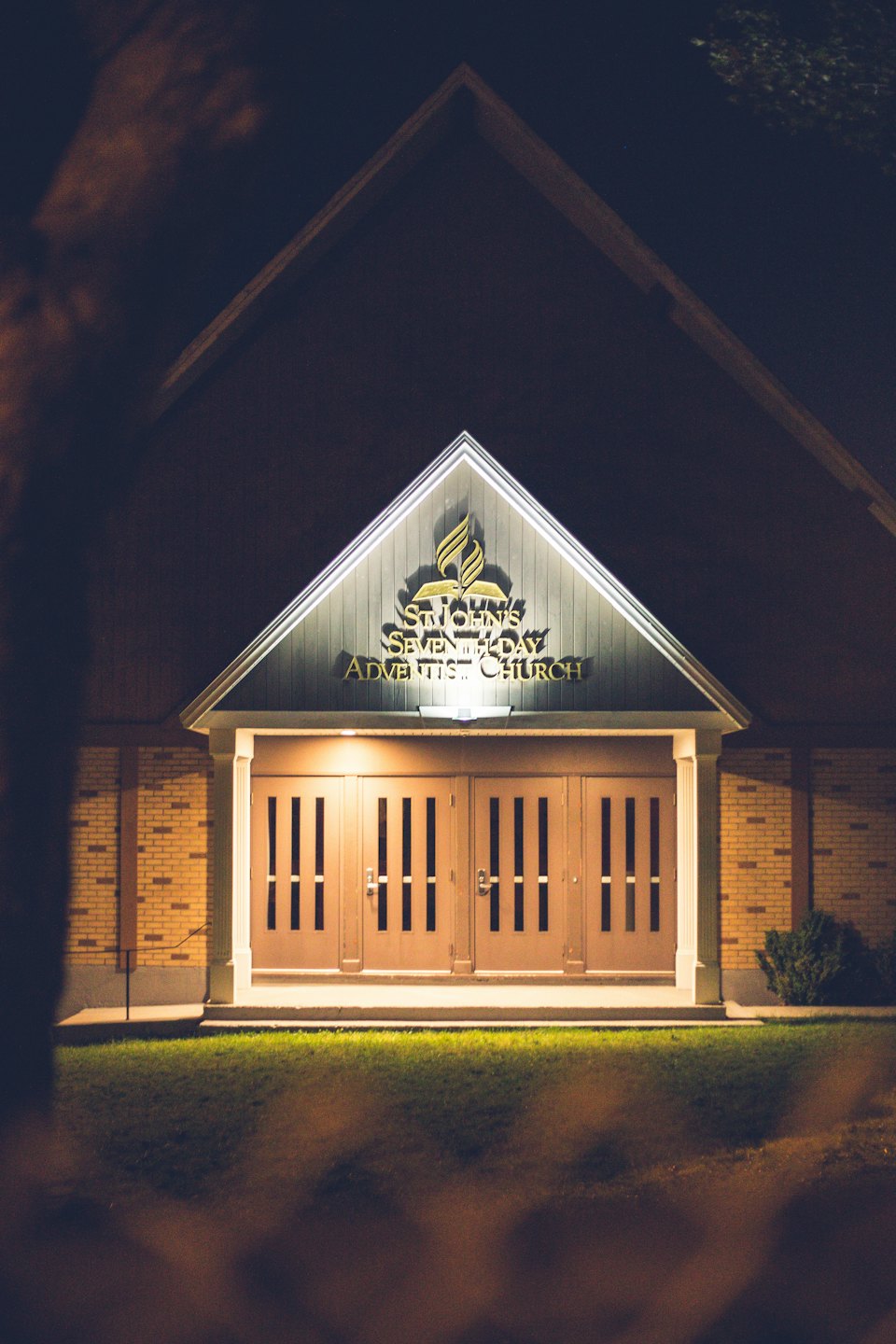
Unbiased Sunday Perspective
Gain a clear, outside look at your first-time visitor journey from arrival to departure, helping you identify blind spots.

Comprehensive Evaluation
Receive detailed insights covering parking, greeting, worship, and messaging to improve overall engagement and retention.

Strategic Growth Support
Leverage expert recommendations designed to enhance your core diagnostic process and foster a welcoming environment.
Serving Western Pennsylvania Communities
This section highlights our service coverage across the region, offering objective evaluations for churches throughout Latrobe and surrounding towns.

Latrobe, PA
Comprehensive guest experience evaluations tailored to your church.

Surrounding Towns
Dedicated support and expert diagnostic reports for your ministry.

Two-Hour Radius
Discover our comprehensive Sunday service diagnostic services available near you.
Elevate Your Sunday Morning Guest Experience
Our specialized church evaluation service across Western Pennsylvania provides an objective, comprehensive report and actionable feedback. We attend your service in Latrobe and surrounding towns to help strengthen your core church health diagnostic process.
Unbiased Sunday Perspective
Gain a clear, outside look at your first-time visitor journey from arrival to departure, helping you identify blind spots.
Comprehensive Evaluation
Receive detailed insights covering parking, greeting, worship, and messaging to improve overall engagement and retention.
Strategic Growth Support
Leverage expert recommendations designed to enhance your core diagnostic process and foster a welcoming environment.
Serving Western Pennsylvania Communities
This section highlights our service coverage across the region, offering objective evaluations for churches throughout Latrobe and surrounding towns.
Latrobe, PA
Comprehensive guest experience evaluations tailored to your church.
Surrounding Towns
Dedicated support and expert diagnostic reports for your ministry.
Two-Hour Radius
Discover our comprehensive Sunday service diagnostic services available near you.